
30+ Saddening Seasonal Affective Disorder Statistics
Seasonal affective disorder impacts more people than you might think. It isn’t as simple as just moving past a crummy December day, here are some statistics about the ailment.
.avif)
It isn’t a coincidence that we experience the “winter blues,” especially after daylight savings time ends. There’s actually a reason for this.
Seasonal affective disorder (SAD) is a form of depression characterized by the change of seasons. It usually begins in the late fall or early winter and continues through the winter months. While it can occur in the spring and summer, this isn’t as common.
To receive a diagnosis, people must meet the full criteria for major depression occurring with specific seasons. The criteria must exist for at least two years. The seasonal depressions must be much more frequent than non-seasonal depressions.
So why are people sadder overall when the seasons change? The end of daylight savings time, when most states move their clocks back, has an impact. We already experience less daylight during the winter, and moving the clocks makes the days seem even shorter. This reduced sunlight during the winter can cause a change in certain hormones.
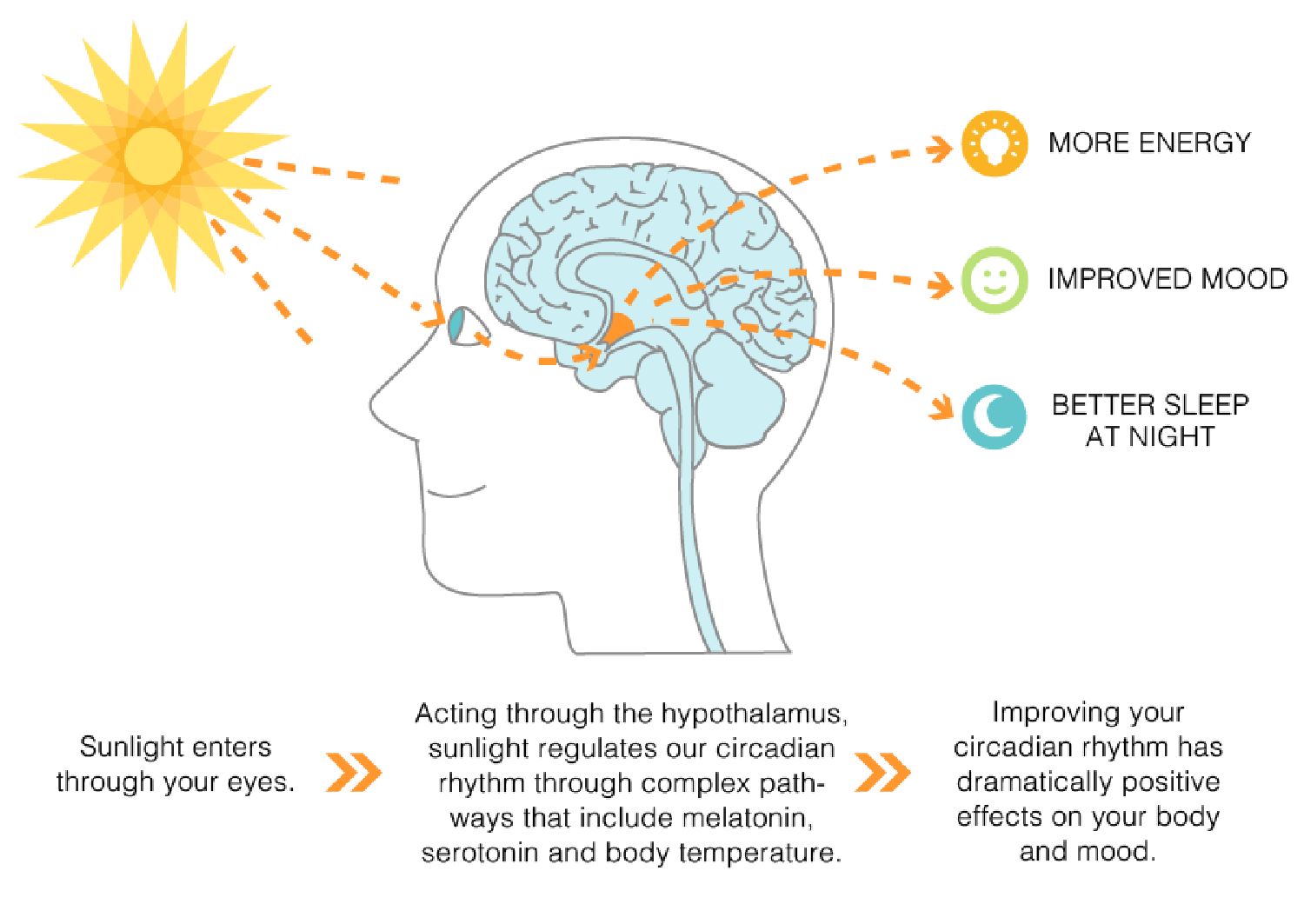
A lack of sunlight triggers an increased production of melatonin which influences your body to sleep. This throws off your body’s circadian rhythms, or “biological clock.” A disrupted sleep schedule can result in symptoms associated with SAD.
Less sunlight also causes a drop in serotonin, a neurotransmitter that affects mood. These lower levels can also trigger depression.
Knowing what this condition is and how it occurs is the first step to understanding its impact on the population. Sure, some of us experience the occasional winter blues. It might not seem common enough to be a diagnosable condition.
But seasonal affective disorder impacts more people than you might think. It isn’t as simple as just moving past a crummy December day.
How Many Does it Affect?
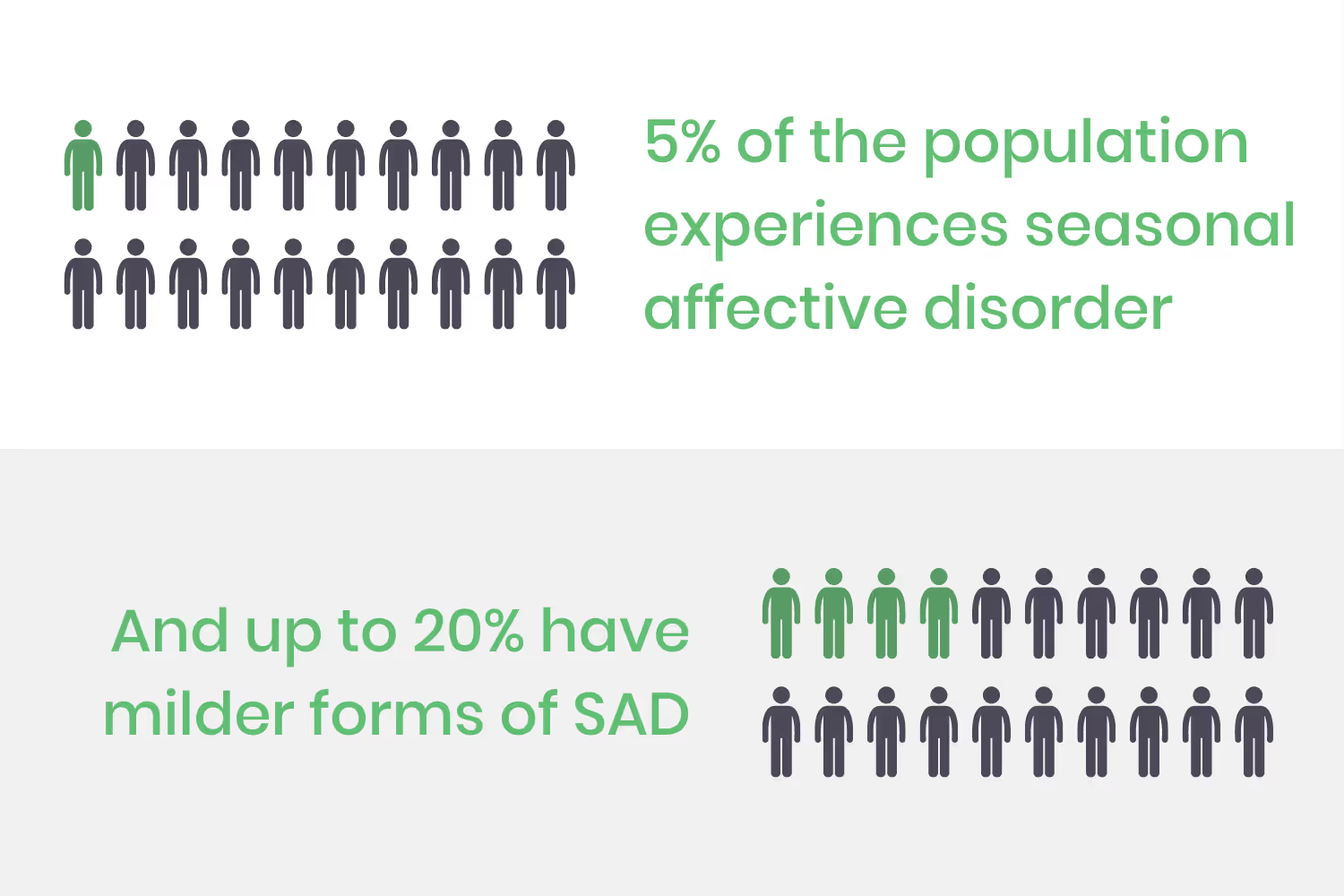
Thankfully, a majority of the population won’t experience seasonal depression. But that doesn’t mean that many people don’t. Around 5% of the population experiences it in any given year, or around 10 million Americans.
While 5% doesn’t seem like much, even more people still face less-severe symptoms. Another 10% to 20% percent do have milder forms.
Some people experience it so severely that it affects their quality of life. Up to 6% require hospitalization from SAD.
When Does it Occur?
Since this is a seasonal ailment, it doesn’t last forever. While this is a good thing, it still affects people for almost half of their year. The condition lasts about 40% of the year, but the most difficult months for people in the US are January and February.
Around 10% of people with this condition start noticing depression in the summer.
For 40% of people with the condition, depressive episodes continue after winter and last through the summer. This leads to a change in diagnosis from SAD to either major depressive disorder or bipolar disorder.
Who's At Risk?
Depending on where you live, SAD could be more or less likely to affect you. Some states get less than five hours of sunlight on some days in the winter, but almost all have less than ten hours.
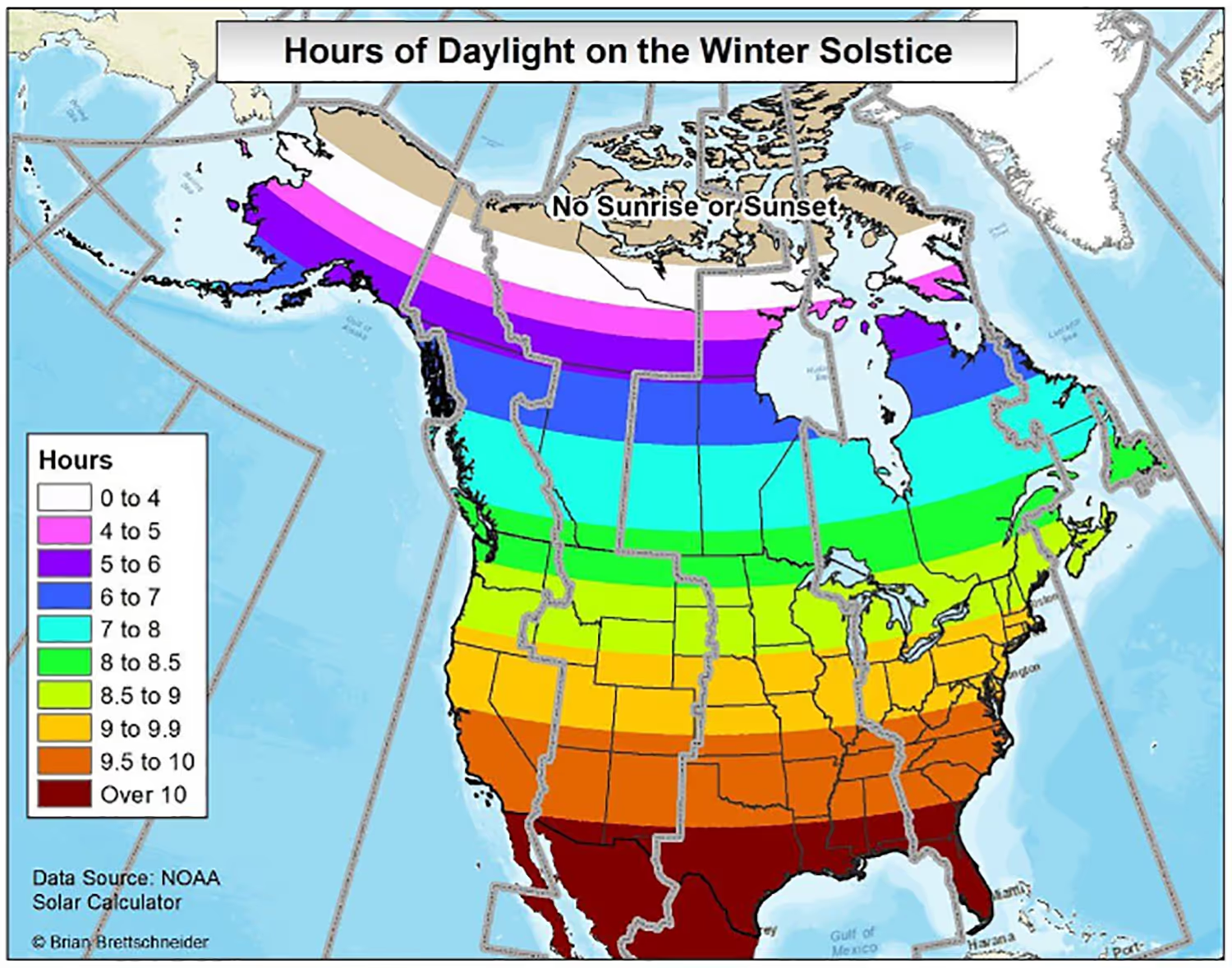
Because there are states that get so little sunlight, there’s a higher prevalence of SAD depending on where you live. Specifically, you’re more likely to experience it if you live further from the equator. In Florida, the prevalence is only 1.5% of the population. But in New Hampshire, it’s almost 10%.
Your gender and age also play a role in your chance of experiencing SAD. It’s four times more common in women than in men, and it occurs mostly in young adults.
The onset of this condition is most common between the ages of 18 and 30. The average age when people first start developing symptoms is 23 years old. The older you get, the less likely it is to occur. This statistic alone might also explain why college students have such poor mental health.
Family history may play a role in the diagnosis of this condition. Between 13% and 17% of people who develop SAD have an immediate family member with the disorder.
The family history of psychiatric disorders also correlates. Of those with this condition, 55% have a family history of severe depressive disorder and 34% have a family history of alcohol abuse.
How Does it Impact Sleep?
People with SAD sleep about two hours more in the winter than in the summer. Contrary to the abbreviation, SAD doesn’t refer to a sadness-like depression. Instead, it correlates to a lack of energy and feeling tired.
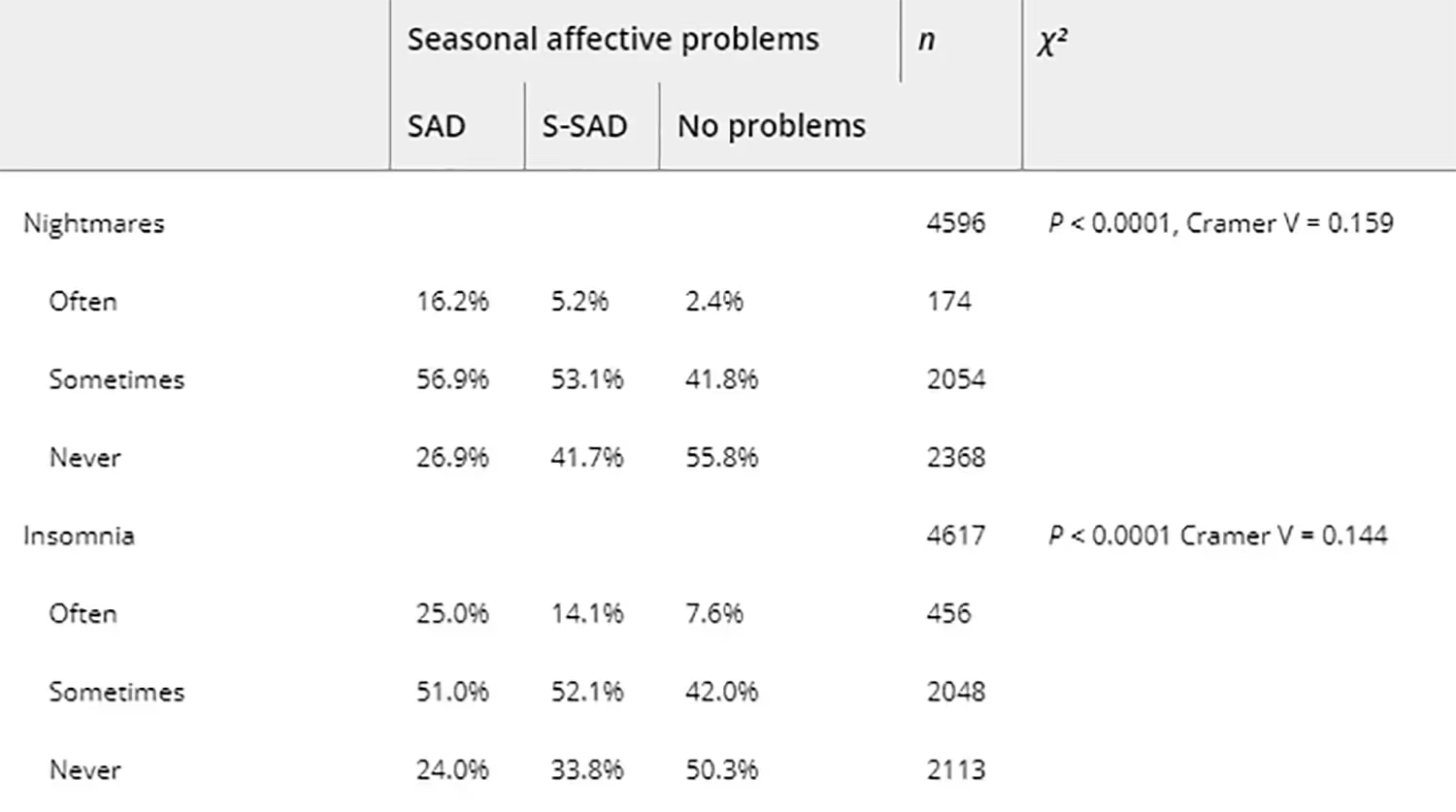
This condition can cause more sleep disturbances. Around 16% of patients had frequent nightmares, compared to 2.4% of people without SAD. And 25% had frequent symptoms of insomnia, compared to 7.6% who don’t have the seasonal condition.
How Does it Relate to Other Mental Health Conditions?
Those with bipolar disorder experience the most seasonal symptoms. Around 24% of patients with bipolar disorder experienced SAD symptoms compared to 9.8% of those with major depressive disorder. And only 2.5% of healthy controls had symptoms.
One study looked at symptom patterns in patients with chronic fatigue syndrome (CFS) in the summer and winter. It compared data for patients with SAD to test seasonal variation in symptoms.
Data from 110 CFS patients matched across seasons. Patients rated symptoms as moderate to very severe for the winter months. Monthly ratings showed a pattern of winter worsening. Affective symptoms rated by the patients included irritability (55%), depressed mood (52%), and anxiety (51%). About half reported symptoms that indicate major depressive disorder.
People with SAD make up around 10% of all depression cases, even though there are over 10 types of depressive disorders.
Does Seasonal Nutrition Play a Role?
Vitamin D is a nutrient that our body gets through sun exposure. One benefit of the vitamin is that it helps boost mood, and low levels correlate to depression and anxiety. But unfortunately, at least 41% of US adults don’t get enough of this vitamin. It’s more difficult to get vitamin D in the winter since there’s less sunlight, and colder temperatures keep us inside.
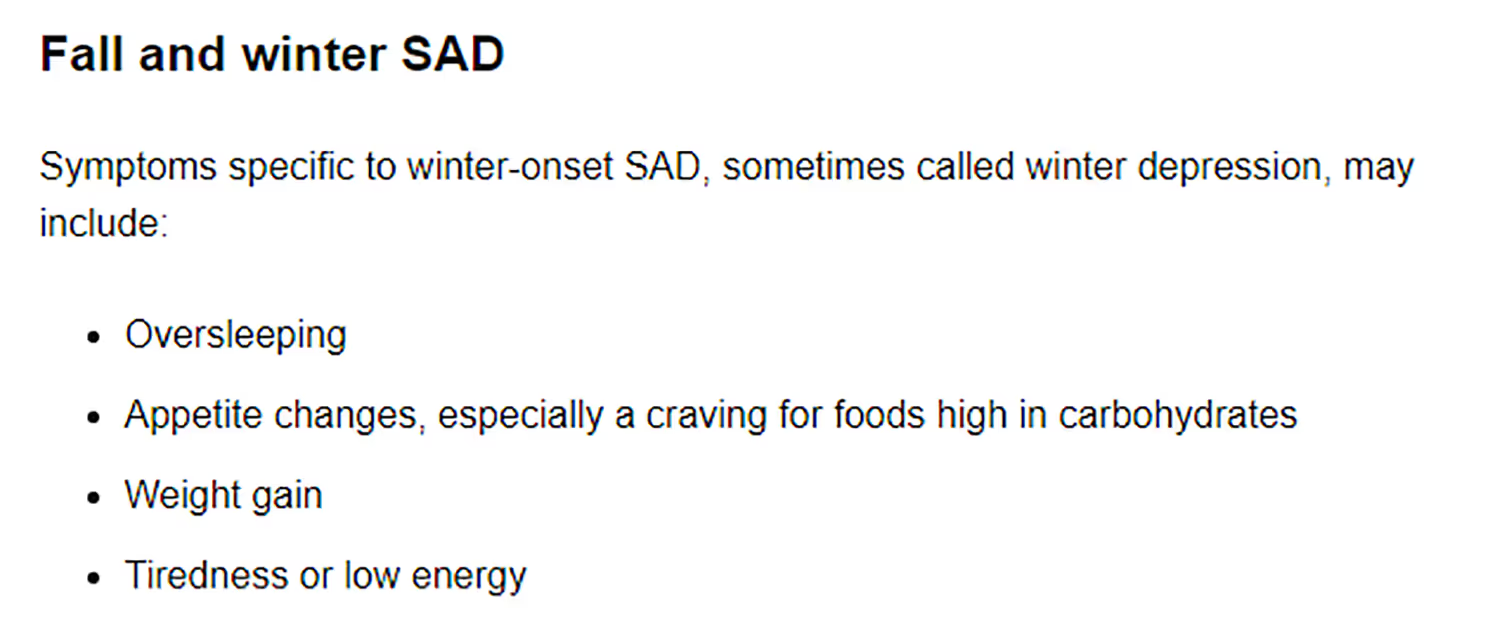
Our diet tends to change in the winter months, especially if we experience SAD. People with this condition eat more carbohydrates. This diet, combined with limited physical activity and added stress, causes weight gain. People gain 1 to 3 pounds in the winter.
Managing SAD and its Physical Effects
There are treatments for the condition, but a majority of people don’t seek help. One study recruited patients for research about winter depression. About 60% never received treatment for depression.
The most common treatment is light therapy since SAD typically occurs from a lack of sunlight exposure. The treatment works by sitting near a device called a light therapy box which mimics natural outdoor light. It can affect brain chemicals linked to mood and sleep to ease symptoms.
Daily light therapy can improve mood for 60% to 80% of people with SAD.
Getting outside in the sun while exercising can help, too. Managing and avoiding SAD is possible with 30 to 60 minutes of exercise and 20 minutes of sunlight exposure per day.
Even 15 minutes of running or one hour of walking reduces the risk of major depression by 26%.
But less than 5% of adults do at least 30 minutes of physical activity each day. And people exercise less in the winter because there’s less daylight and it’s colder. One survey found that 43.9% delayed exercise in the winter.
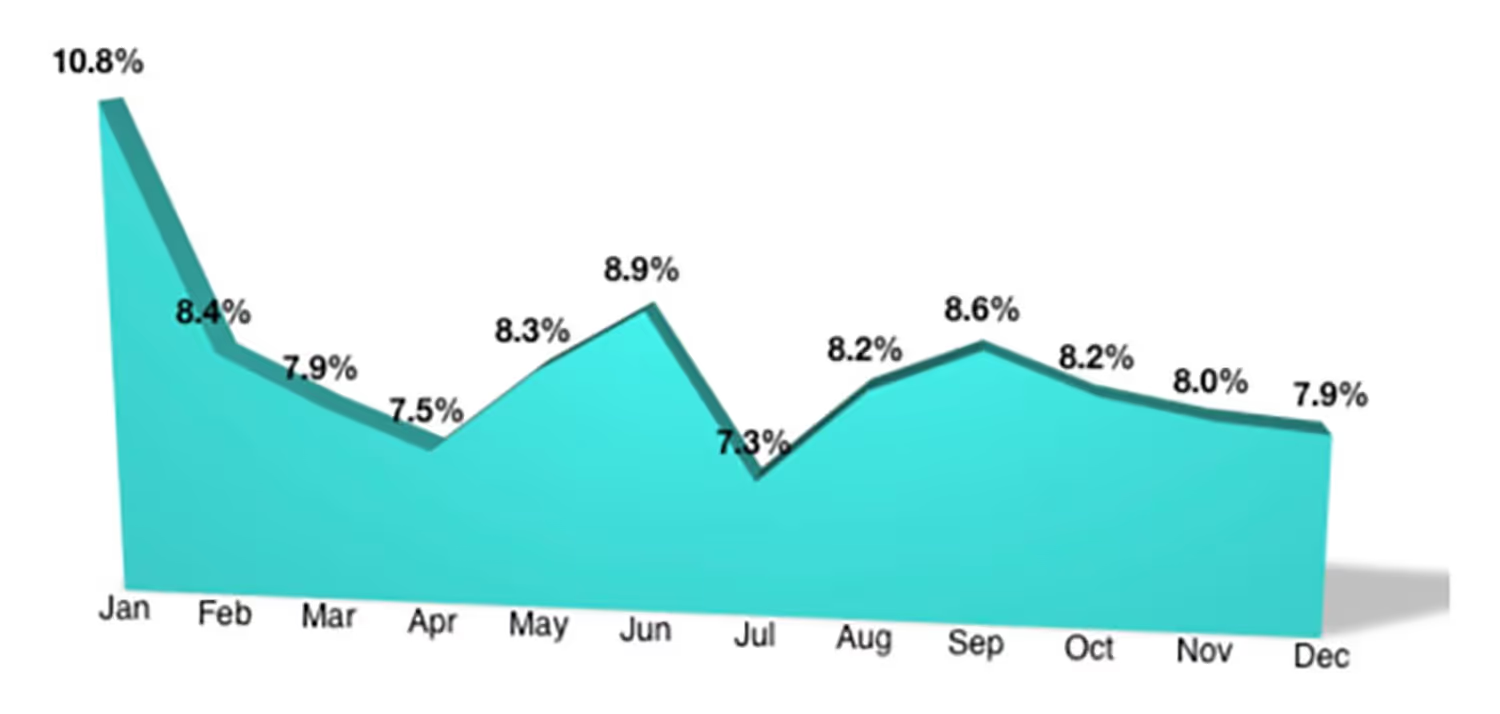
People use the New Year as a time to reach their fitness goals. Gym memberships spike to almost 11% in January but quickly decline by 3% before February ends. Gym sales are the same from February to March as they are in December. Yet January to February are the worst months for SAD, and people can benefit more from exercising during this time.
Conclusion
Having depressed feelings in the winter isn’t uncommon. It’s easy to have the winter blues when we’re inside more and we hardly see the sun.
But cases can be more severe than just the usual winter blues. Frequent symptoms of seasonal depression occurring each year likely indicate seasonal affective disorder. You could be even more at risk depending on your location, age, and gender.
It’s important to take action to manage this condition, though a majority of people don’t. It doesn’t affect health for only a few months but impacts people for close to half of the year. This leads to other health problems such as weight gain, disrupted sleep, and lack of exercise. Each of these factors can have an even worse effect on mental health, creating a difficult cycle to break.
Fortunately, there are easy ways to manage SAD. Recognizing that it’s a mental health condition rather than the occasional winter blues is important. It isn’t easy to overcome depression without treatment or management, so brushing symptoms off as the winter blues isn’t beneficial.
If it’s a recurring problem each year, there are steps you can take to reduce symptoms. That way, it’s lasting effects aren’t as burdensome and you can transition between seasons easier.
Emphasize your product's unique features or benefits to differentiate it from competitors
In nec dictum adipiscing pharetra enim etiam scelerisque dolor purus ipsum egestas cursus vulputate arcu egestas ut eu sed mollis consectetur mattis pharetra curabitur et maecenas in mattis fames consectetur ipsum quis risus mauris aliquam ornare nisl purus at ipsum nulla accumsan consectetur vestibulum suspendisse aliquam condimentum scelerisque lacinia pellentesque vestibulum condimentum turpis ligula pharetra dictum sapien facilisis sapien at sagittis et cursus congue.
- Pharetra curabitur et maecenas in mattis fames consectetur ipsum quis risus.
- Justo urna nisi auctor consequat consectetur dolor lectus blandit.
- Eget egestas volutpat lacinia vestibulum vitae mattis hendrerit.
- Ornare elit odio tellus orci bibendum dictum id sem congue enim amet diam.
Incorporate statistics or specific numbers to highlight the effectiveness or popularity of your offering
Convallis pellentesque ullamcorper sapien sed tristique fermentum proin amet quam tincidunt feugiat vitae neque quisque odio ut pellentesque ac mauris eget lectus. Pretium arcu turpis lacus sapien sit at eu sapien duis magna nunc nibh nam non ut nibh ultrices ultrices elementum egestas enim nisl sed cursus pellentesque sit dignissim enim euismod sit et convallis sed pelis viverra quam at nisl sit pharetra enim nisl nec vestibulum posuere in volutpat sed blandit neque risus.
Use time-sensitive language to encourage immediate action, such as "Limited Time Offer
Feugiat vitae neque quisque odio ut pellentesque ac mauris eget lectus. Pretium arcu turpis lacus sapien sit at eu sapien duis magna nunc nibh nam non ut nibh ultrices ultrices elementum egestas enim nisl sed cursus pellentesque sit dignissim enim euismod sit et convallis sed pelis viverra quam at nisl sit pharetra enim nisl nec vestibulum posuere in volutpat sed blandit neque risus.
- Pharetra curabitur et maecenas in mattis fames consectetur ipsum quis risus.
- Justo urna nisi auctor consequat consectetur dolor lectus blandit.
- Eget egestas volutpat lacinia vestibulum vitae mattis hendrerit.
- Ornare elit odio tellus orci bibendum dictum id sem congue enim amet diam.
Address customer pain points directly by showing how your product solves their problems
Feugiat vitae neque quisque odio ut pellentesque ac mauris eget lectus. Pretium arcu turpis lacus sapien sit at eu sapien duis magna nunc nibh nam non ut nibh ultrices ultrices elementum egestas enim nisl sed cursus pellentesque sit dignissim enim euismod sit et convallis sed pelis viverra quam at nisl sit pharetra enim nisl nec vestibulum posuere in volutpat sed blandit neque risus.
Vel etiam vel amet aenean eget in habitasse nunc duis tellus sem turpis risus aliquam ac volutpat tellus eu faucibus ullamcorper.
Tailor titles to your ideal customer segment using phrases like "Designed for Busy Professionals
Sed pretium id nibh id sit felis vitae volutpat volutpat adipiscing at sodales neque lectus mi phasellus commodo at elit suspendisse ornare faucibus lectus purus viverra in nec aliquet commodo et sed sed nisi tempor mi pellentesque arcu viverra pretium duis enim vulputate dignissim etiam ultrices vitae neque urna proin nibh diam turpis augue lacus.