
What The Perfect Burnout Prevention Training Looks Like
Employers need to offer burnout prevention training. But what should it include? If you’re unsure, you’ve come to the right place.

Job stress is so common that over 75% of the workforce experiences burnout. This is around the same percentage of people who experience daily stress in general, either sometimes or frequently.
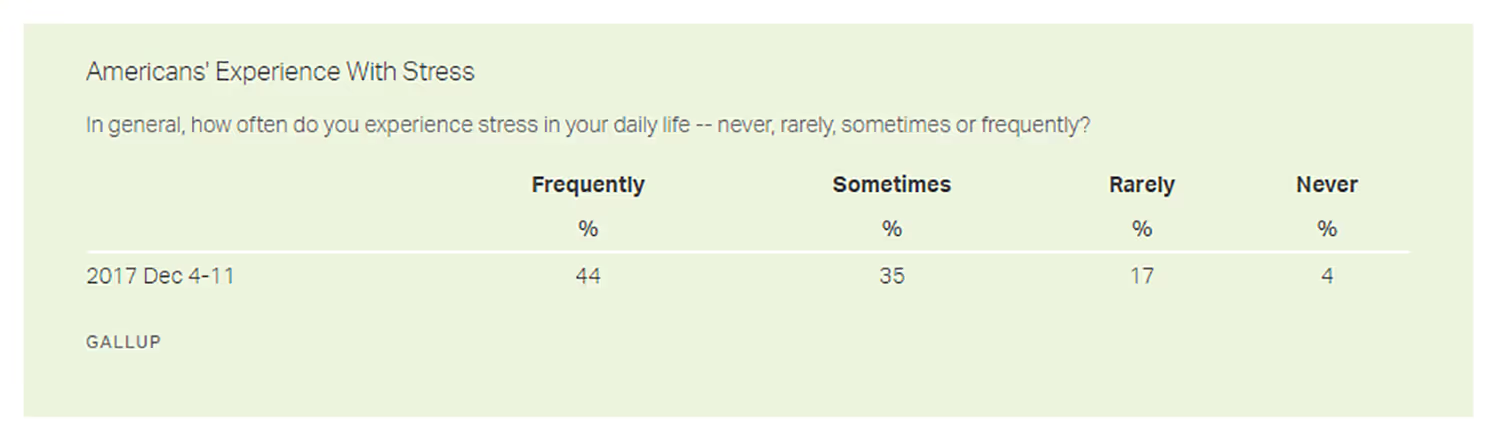
Even if you love your job, you’re likely to experience this work-related stress at some point. When people don’t manage it, negative consequences will arise for both employees and their company.
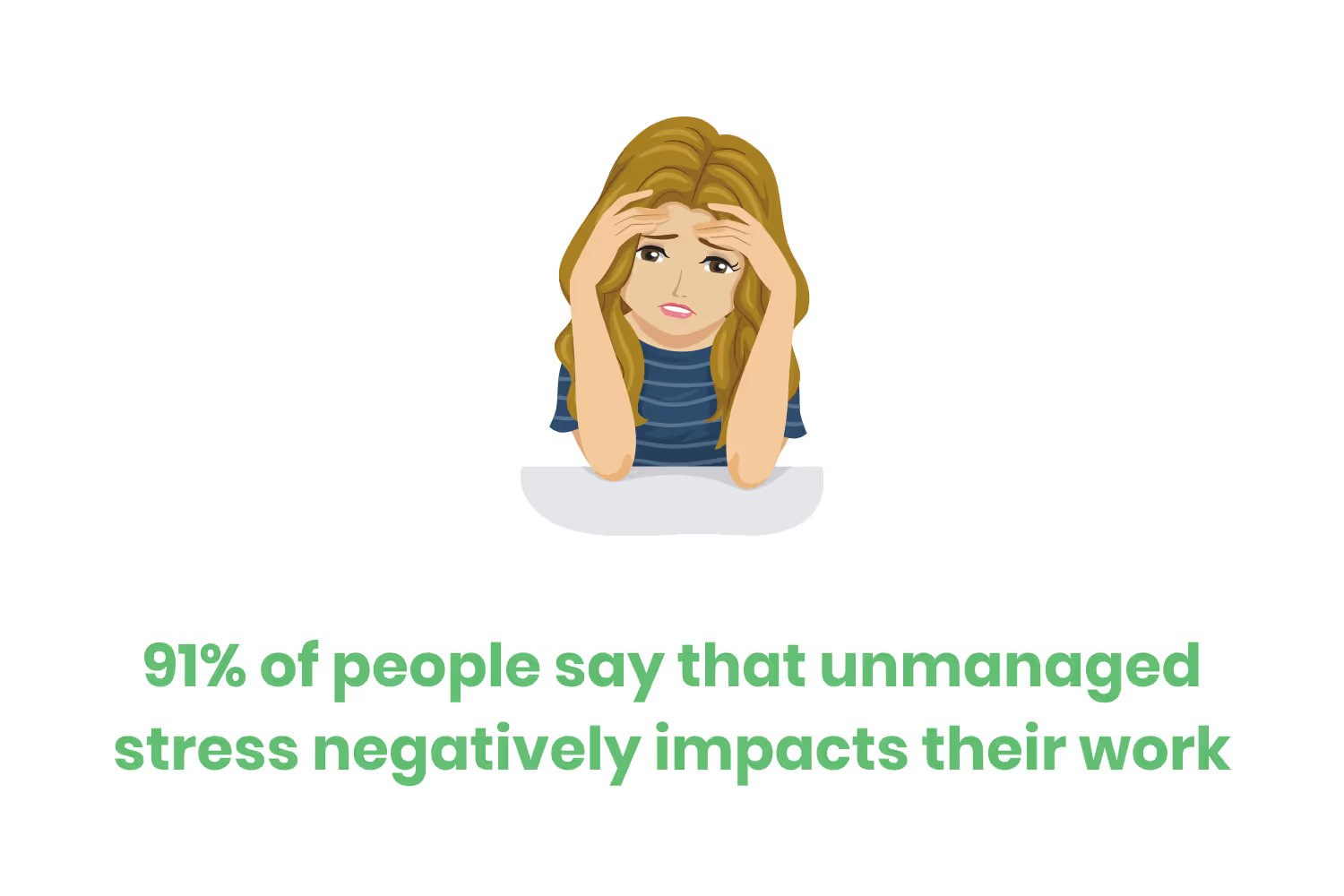
91% of people say that not managing it negatively impacts their work. Organizations will notice decreased productivity and will end up losing staff.
To help keep these consequences from happening, employees need to know how to manage and prevent burnout. They’ll inevitably face stress eventually. But depending on how they handle that stress, they can keep themselves from becoming burned out.
So how can people prevent this from happening to them?
Employers need to offer burnout prevention training. Not only will this help employees’ mental health, but there should be a mutual interest for HR and management. Since high rates of burnout hurt job performance and turnover rates, employers also benefit from an effective training program.
Now the question becomes, what should burnout prevention training include? If you’re unsure, you’ve come to the right place.
Recognize The Problem
The first step in burnout prevention is training on how to recognize that it’s the problem. As I said, it’s almost a guarantee that people will face stress sometimes at work. Not managing this can make it worse, leading to burnout.
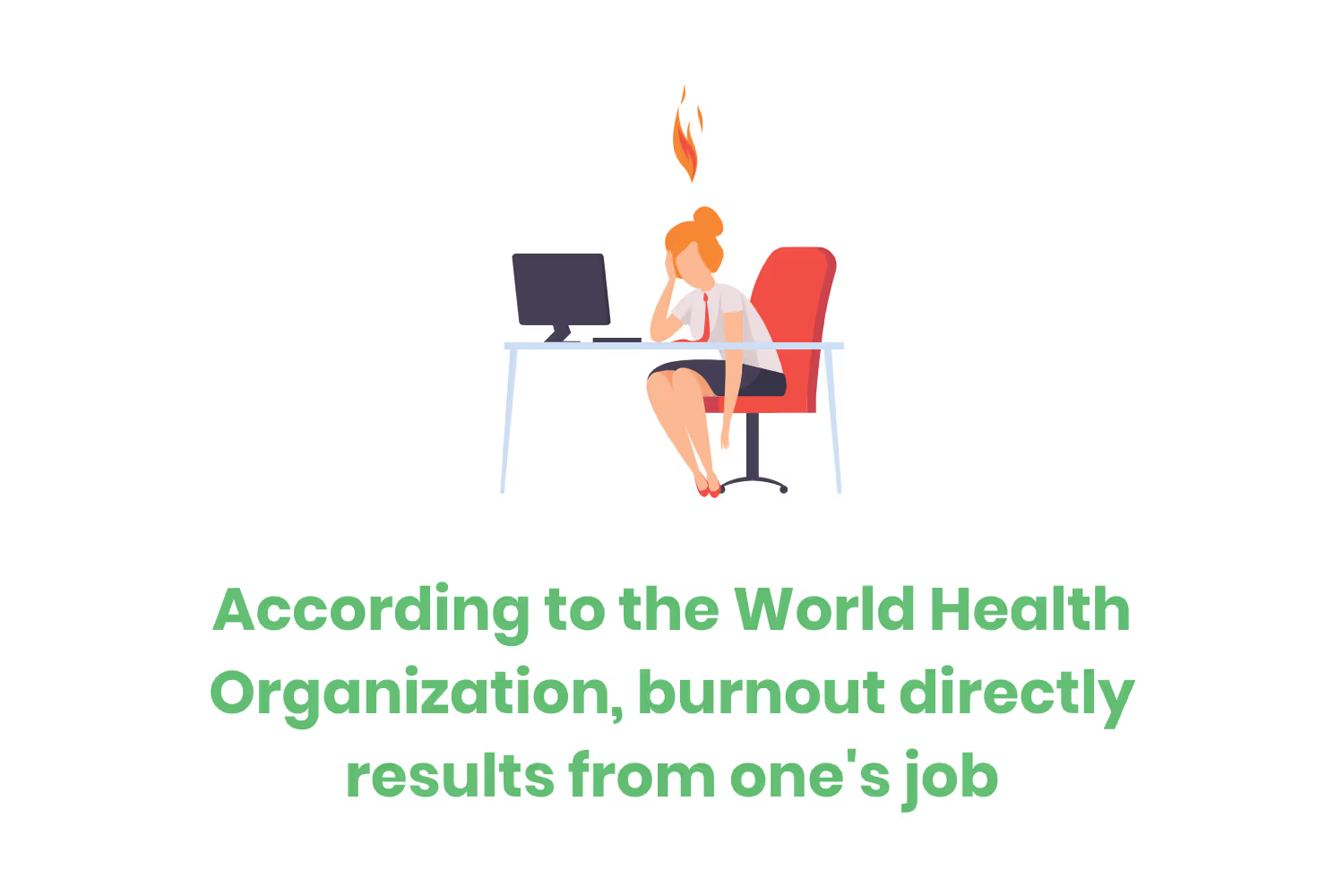
The World Health Organization considers burnout an occupational phenomenon, resulting from workplace stress and emotional exhaustion. Since this problem directly relates to someone’s job, people need to first understand if work is the cause of their stress. From there, they can take the next steps for prevention.
Keep Track of Stressors
It’s beneficial for employees to keep track of their stressors. This helps in determining if work is the main contributing factor.
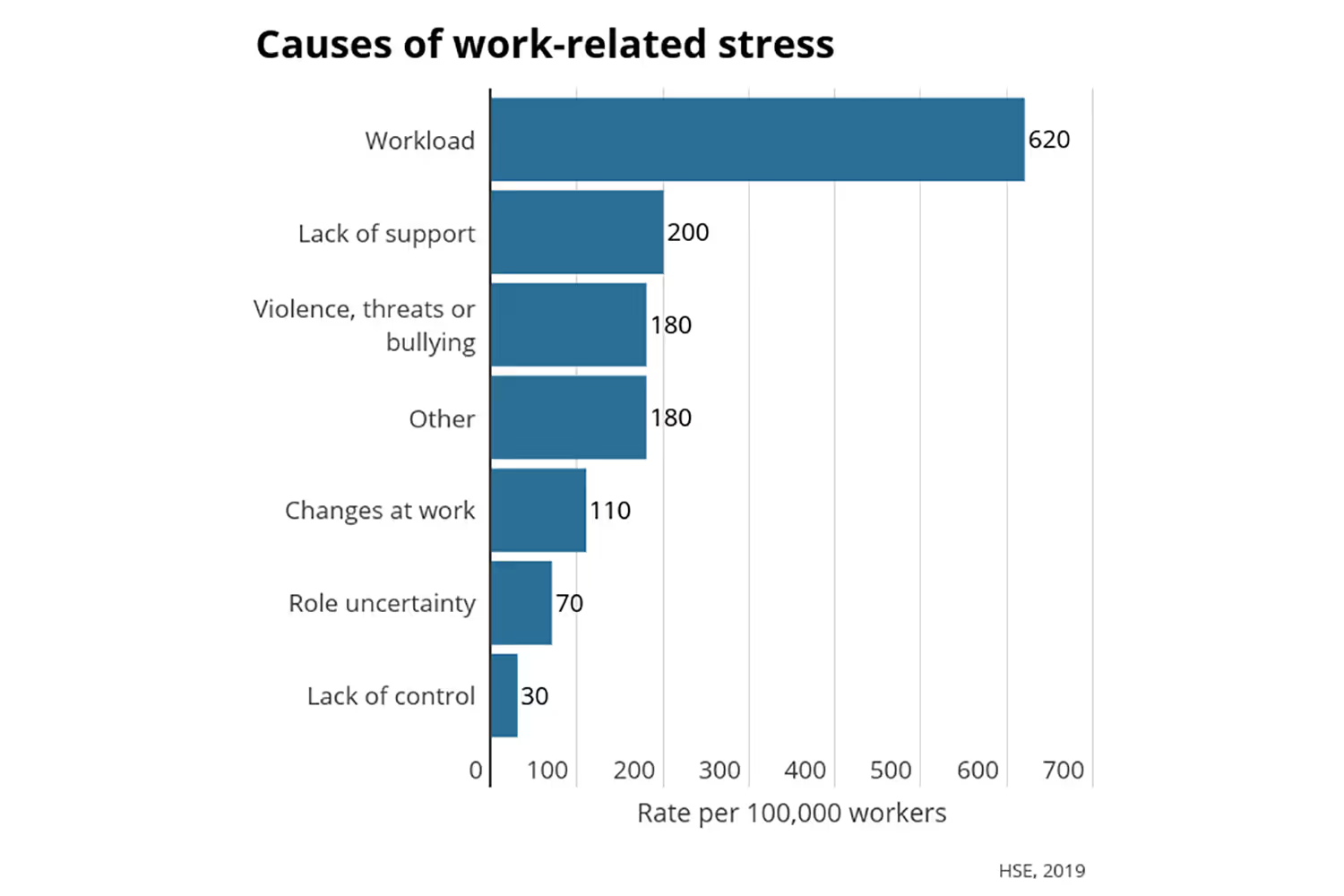
By identifying stressors, people know which areas of work need attention so that their burnout will decrease. If an employee has control over that area, they can find a solution on their own. Or they may need help from HR or management to mitigate the source of the problem.
At the very least though, this makes it easier to find self-care methods for managing any overwhelming work problems. There may always be parts of a job that someone can’t control, and unfortunately, that could cause emotional exhaustion and anxiety.
But knowing the cause means that the person can use self-care tools to reduce the long-term effect.

As someone in HR or management, you can even provide self-care methods as part of this training. Different health habits can be more effective in easing burdens at work. So teaching employees about which activities can reduce stressors will make it more effective when they try to keep track of and manage their burnout.
Balance Work and Personal Life
It’s necessary to emphasize in burnout prevention training that employees shouldn’t let work take over their life.
As a manager, I know what you might be thinking. You want dedicated staff who will primarily focus on their job when they show up for work each day. But I’m not saying that you should give employees a free pass to slack off.
Rather, you need to encourage them to set boundaries between their work and personal life. This is especially important following the start of the COVID-19 pandemic. Since more companies offer remote or hybrid roles, employees are having trouble with these boundaries.
At first, there were concerns that people wouldn’t be as efficient when they were working from home. But the opposite turned out to be true. 37% of people started working more hours since the start of the pandemic. Since their work happens in the same space as their personal life, it can be difficult to separate them.
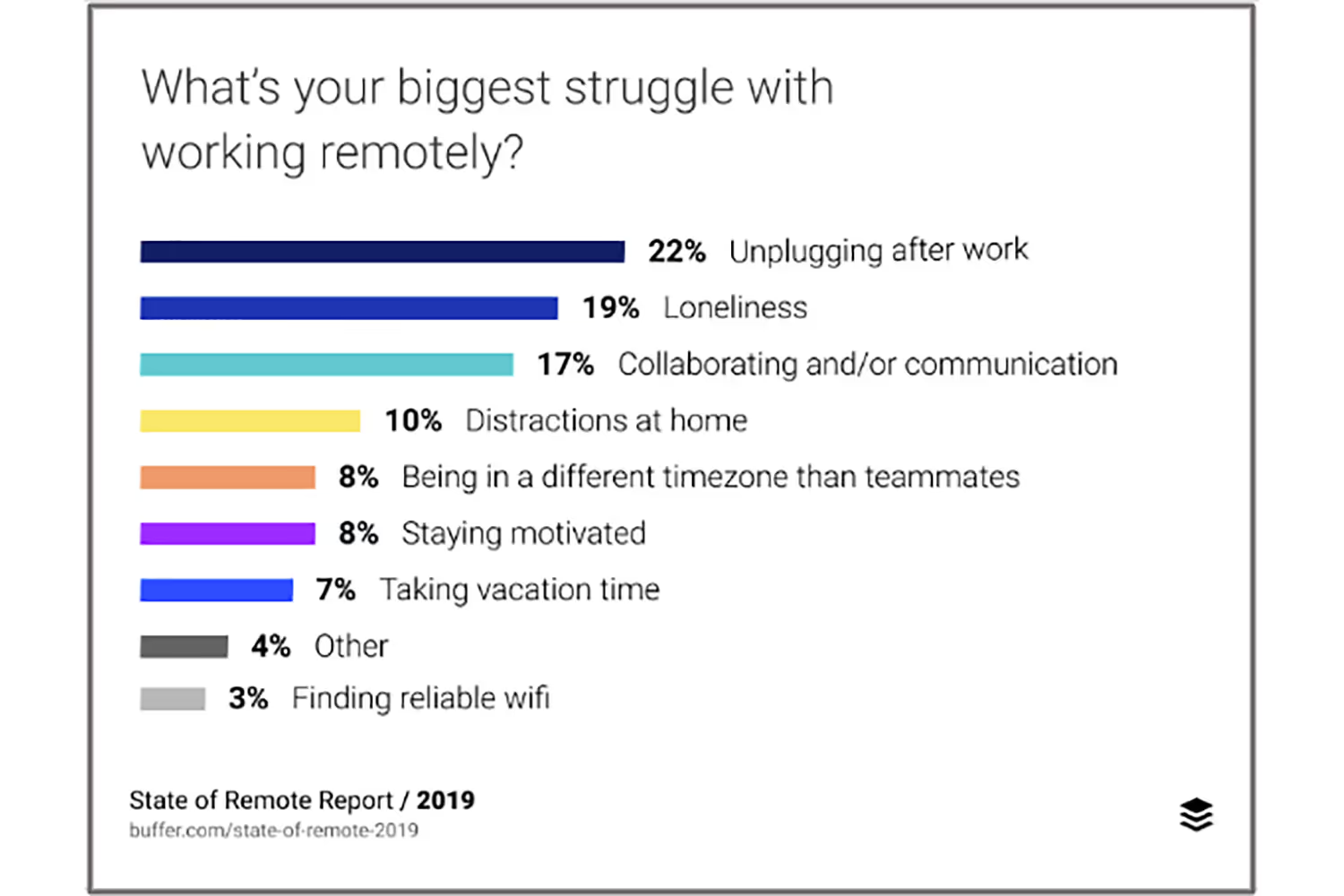
There isn’t any physical distance between the office and home, so many people found themselves continuing to work even after they would normally clock out. 22% say that their biggest challenge with being remote is unplugging after work.
It can become a more serious problem if this turns into workaholism. This term refers to the addictive behavior pattern to work. Workaholics feel a compulsion to work because they feel like they “should be”.
As their job starts taking over these employees’ lives, they’ll have less time for personal enjoyment. They then start experiencing a lack of work-life satisfaction. But by encouraging them to set boundaries, they’ll feel less pressure to do tasks outside of their scheduled hours.
And this is a benefit to you, too. When people have clear boundaries between their job and home, they’ll feel more inclined to focus on their job when they come in each day. They won’t feel as distracted by their personal life since they have adequate time for it away from work.
Take Advantage of Time Off and Benefits
Part of setting those boundaries means taking advantage of the provided time off and benefits. Yet, over half of Americans don’t use all of their vacation time.
As an employer, you’re responsible for emphasizing to your staff the importance of using these benefits. Employees have said that paid time off reduces burnout. Managers recognize that this is true since 84% said that they see increased productivity after people take breaks.

Because of this, part of burnout prevention training needs to include encouraging these breaks. Explain to staff that they help with setting boundaries for work and personal life. It gives people time to recharge so that they can return with a productive mindset.
Some companies offer other benefits for easing burnout besides just vacation time, such as…
- Mental health days
- Subscriptions to health apps
- Gym memberships
- Yoga and fitness classes
But these offerings need to get emphasized to teams for how they can also prevent burnout. Exercise, health resources, and taking time off are just a few ways that people can reduce their stress.
Utilize Stress Management Services
Some other resources that companies offer are stress management services. These may include clinical resources, peer support services, or simply mental health articles and information.
According to the Centers for Disease Control and Prevention, workplace health promotion programs are successful. The CDC lists several companies, including Certified Angus Beef, that are offering such programs to help.

The first step is for managers to offer these, but they also need to encourage participation in these programs.
Many people are unsure how to get mental health support with 39% saying they don’t know how to access services. This makes it difficult for preventing burnout if people don’t even know where to get help.
For companies that do offer these services, it’s a necessary part of burnout prevention training to inform employees how to access them. This will encourage them to use the resources so that they can better manage their workplace stress.
Approach HR and Management
When all else fails for staff to prevent their burnout, they need to know that they can go to HR or management. If they aren’t sure how to prevent it even by taking the training steps that you already gave them, they need support from you.
If they inform you about their challenges, you can help them find other solutions. There may be more benefits or resources that you can provide to deal with the cause of their burnout.
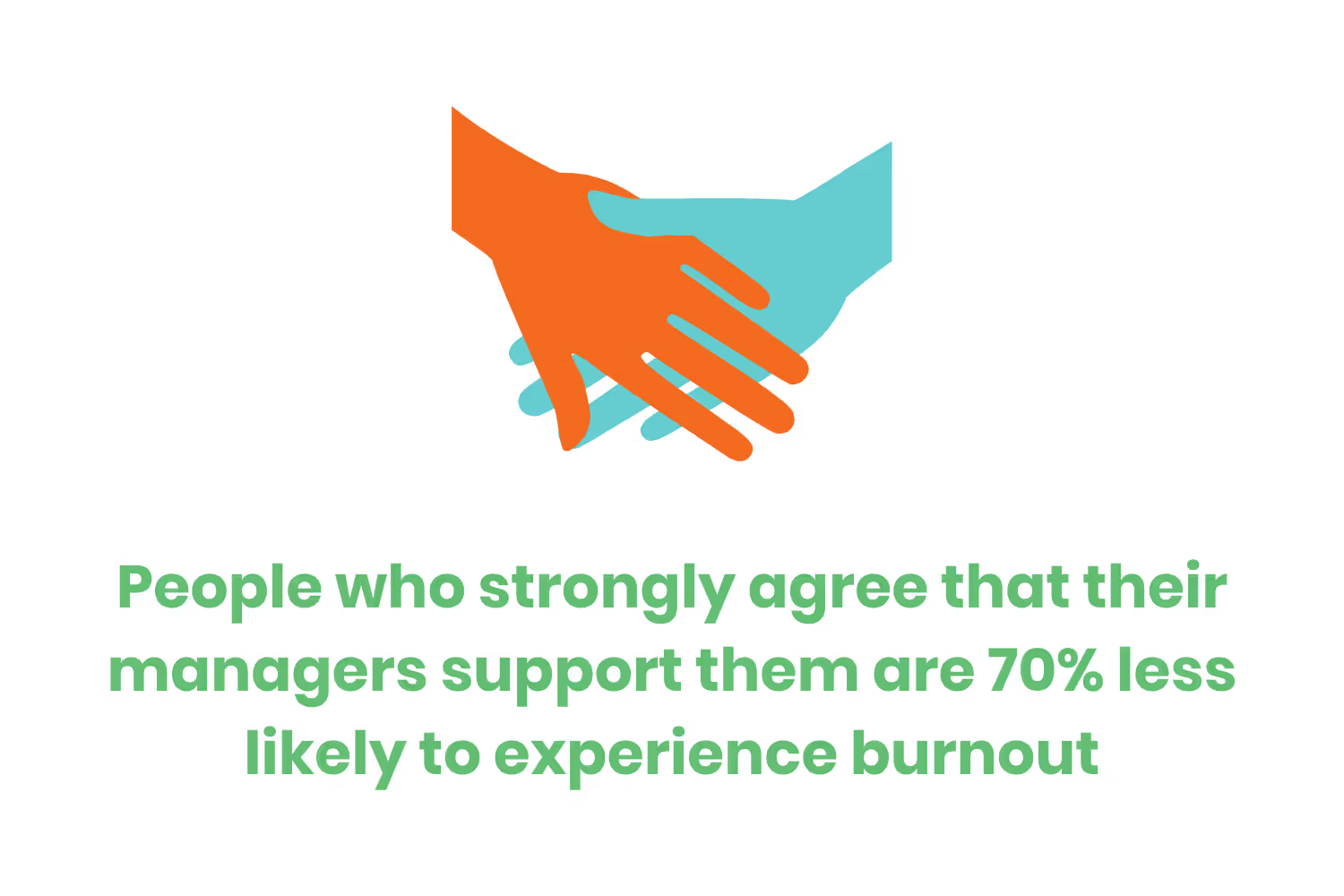
Urging them to come to you with concerns about their mental health proves that you care about eliminating their struggles. By just knowing that they can approach you has the power to reduce this burnout. People who strongly agree that their managers support them are 70% less likely to feel burned out regularly.
Conclusion
Almost everyone experiences stress at some point, especially at work. It’s still likely even for those who enjoy their jobs.
When people don’t manage this workplace stress, it can spiral out of control and impact them and their companies long-term. Burnout hurts job performance and satisfaction. This costs organizations money and leads people to leave their jobs.
To avoid these consequences, employers need to take burnout prevention training seriously. This includes training staff on how to recognize the problem and encouraging them to take the best steps to improve mental health. That way, there's a lower chance that burnout plagues them each day when they show up for work.
Emphasize your product's unique features or benefits to differentiate it from competitors
In nec dictum adipiscing pharetra enim etiam scelerisque dolor purus ipsum egestas cursus vulputate arcu egestas ut eu sed mollis consectetur mattis pharetra curabitur et maecenas in mattis fames consectetur ipsum quis risus mauris aliquam ornare nisl purus at ipsum nulla accumsan consectetur vestibulum suspendisse aliquam condimentum scelerisque lacinia pellentesque vestibulum condimentum turpis ligula pharetra dictum sapien facilisis sapien at sagittis et cursus congue.
- Pharetra curabitur et maecenas in mattis fames consectetur ipsum quis risus.
- Justo urna nisi auctor consequat consectetur dolor lectus blandit.
- Eget egestas volutpat lacinia vestibulum vitae mattis hendrerit.
- Ornare elit odio tellus orci bibendum dictum id sem congue enim amet diam.
Incorporate statistics or specific numbers to highlight the effectiveness or popularity of your offering
Convallis pellentesque ullamcorper sapien sed tristique fermentum proin amet quam tincidunt feugiat vitae neque quisque odio ut pellentesque ac mauris eget lectus. Pretium arcu turpis lacus sapien sit at eu sapien duis magna nunc nibh nam non ut nibh ultrices ultrices elementum egestas enim nisl sed cursus pellentesque sit dignissim enim euismod sit et convallis sed pelis viverra quam at nisl sit pharetra enim nisl nec vestibulum posuere in volutpat sed blandit neque risus.
Use time-sensitive language to encourage immediate action, such as "Limited Time Offer
Feugiat vitae neque quisque odio ut pellentesque ac mauris eget lectus. Pretium arcu turpis lacus sapien sit at eu sapien duis magna nunc nibh nam non ut nibh ultrices ultrices elementum egestas enim nisl sed cursus pellentesque sit dignissim enim euismod sit et convallis sed pelis viverra quam at nisl sit pharetra enim nisl nec vestibulum posuere in volutpat sed blandit neque risus.
- Pharetra curabitur et maecenas in mattis fames consectetur ipsum quis risus.
- Justo urna nisi auctor consequat consectetur dolor lectus blandit.
- Eget egestas volutpat lacinia vestibulum vitae mattis hendrerit.
- Ornare elit odio tellus orci bibendum dictum id sem congue enim amet diam.
Address customer pain points directly by showing how your product solves their problems
Feugiat vitae neque quisque odio ut pellentesque ac mauris eget lectus. Pretium arcu turpis lacus sapien sit at eu sapien duis magna nunc nibh nam non ut nibh ultrices ultrices elementum egestas enim nisl sed cursus pellentesque sit dignissim enim euismod sit et convallis sed pelis viverra quam at nisl sit pharetra enim nisl nec vestibulum posuere in volutpat sed blandit neque risus.
Vel etiam vel amet aenean eget in habitasse nunc duis tellus sem turpis risus aliquam ac volutpat tellus eu faucibus ullamcorper.
Tailor titles to your ideal customer segment using phrases like "Designed for Busy Professionals
Sed pretium id nibh id sit felis vitae volutpat volutpat adipiscing at sodales neque lectus mi phasellus commodo at elit suspendisse ornare faucibus lectus purus viverra in nec aliquet commodo et sed sed nisi tempor mi pellentesque arcu viverra pretium duis enim vulputate dignissim etiam ultrices vitae neque urna proin nibh diam turpis augue lacus.