
Denial Code 11: Why CO-11 Denials Happen
This blog explains denial code 11 (CO-11), why diagnosis and procedure mismatches lead to denials, and how these errors impact revenue cycle performance. It also outlines practical steps to prevent, correct, and manage CO-11 denials through better coding accuracy and documentation.

Healthcare organizations are under constant pressure to maintain steady cash flow while navigating increasingly complex payer requirements. Medical practices can see denial rates ranging from 5 to 10 percent of total claims, with many tied directly to coding errors and documentation gaps.
A significant portion of these issues stem from misalignment between the diagnosis code and the procedure, which is exactly what drives denial code 11. For healthcare providers, understanding and fixing this issue is critical to improving revenue cycle management, reducing lost revenue, and strengthening overall denial management performance.
What is denial code 11 and what does it mean for my claim?
Denial code 11 is a common issue in medical billing that occurs when there is a mismatch between the diagnosis code and the procedure listed on a claim. This leads to a situation where the medical necessity of the procedure or service is not clearly justified.
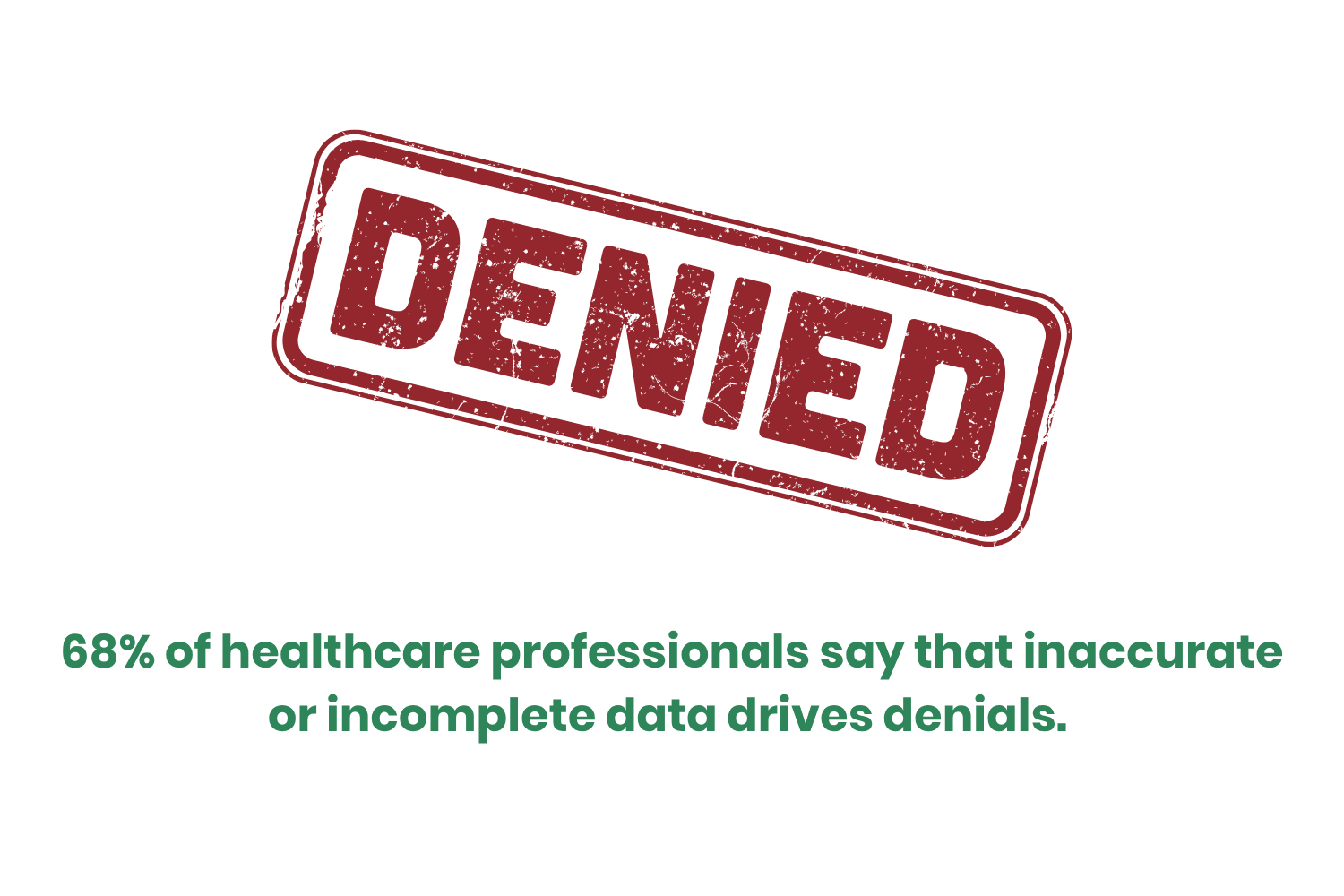
When a claim is denied with denial code 11, the explanation of benefits typically states that the diagnosis does not support the procedure performed. This becomes the specific reason for the denial, and it often signals deeper coding errors, missing clinical documentation, or an inconsistency between the diagnosis code and the service billed.
Understanding what 11 means is essential because it directly affects your revenue cycle, delays reimbursement, and increases pressure on your billing team.
What does CO-11 denial code indicate about the procedure code submitted?
A CO-11 denial code indicates that the procedure code submitted does not align with the diagnosis code. The payer cannot identify a clear relationship between the diagnosis and the medical procedure.
This issue often arises when the procedure code or diagnosis code is incomplete, when the service provided does not clearly support the procedure, or when there is insufficient documentation that supports the medical decision. As a result, insurance companies may deny the claim because the code and the procedure code combination does not demonstrate the medical necessity of the procedure.
Is denial code 11 the same as a claim adjustment reason or remark code?
Denial code 11 is a claim adjustment reason that explains the core reason a claim was not paid.
A remark code provides additional context but does not replace the denial reason itself. The co 11 denial code represents the primary explanation, while a remark code may clarify supporting details.
What are the common causes of CO-11 denial and procedure mismatch?
The common causes of this denial code is usually related to gaps in coding, documentation, or claim validation. At the center of every CO-11 denial is a procedure mismatch, where the diagnosis code and the procedure fail to logically connect.
Does an incorrect code or reporting a higher-level procedure code cause CO-11 denial?
An incorrect code is one of the leading drivers of CO-11 denial. When reporting a higher-level procedure code than what was actually performed, the claim may not align with the medical procedure or service documented. This creates doubt about whether the level of service was appropriate.
Similarly, selecting a CPT that does not reflect the service provided can cause the claim to result in a denial. Without clear supporting documentation, the payer cannot confirm the claim is accurate.
Can a diagnosis code that is too general result in an 11 denial?
A diagnosis code that is too general is a frequent contributor to 11 denial. When the icd-10 code lacks specificity, it weakens the ability to support the diagnosis in relation to the procedure performed.
This creates an inconsistency and makes it difficult to justify the medical need for the service. The denial reason provided often reflects that this occurs when the diagnosis code does not clearly justify the procedure or service billed.
How does a CO-11 denial impact revenue cycle and reimbursement?
The impact of CO-11 denial extends across the entire revenue cycle management process. It disrupts workflows, delays reimbursement, and increases administrative burden.
What is the impact of CO-11 denial on provider reimbursement and cash flow?
The impact of CO-11 on financial performance is significant. Each rejected bill slows incoming revenue and extends accounts receivable timelines. When a CO-11 denial code is issued, providers must invest additional time to correct and reprocess claims before receiving payment.
This creates strain on healthcare billing operations and reduces efficiency within billing departments.
How do CO-11 denials affect medical billing and denial management workload?
A high volume of 11 denial cases increases the workload associated with denial management. The billing staff must investigate the denial reason, review diagnosis and procedure codes, correct coding errors, and either resubmit the claim or submit an appeal.
This reactive process slows productivity and forces healthcare providers to spend more time fixing issues instead of improving processes.
Can frequent 11 denials lead to audits or payer scrutiny?
Frequent CO-11 denial patterns can lead to increased scrutiny. Repeated inconsistency between the diagnosis code and procedures may trigger a formal audit or closer monitoring by insurance companies.
If these patterns continue, payers may question proper documentation practices and may be more likely to deny the claim in future submissions.
How can healthcare providers prevent CO-11 denials and align coding?
Preventing CO-11 denials requires a proactive strategy focused on accurate coding, strong documentation, and validation before submission. The goal is to ensure that procedure codes match before claims are sent to the payer.
What coding and clinical documentation changes help prevent CO-11 denials?
Improving clinical documentation is essential to prevent co 11 denials. Providers must ensure that every record includes documentation that supports the medical decision and clearly explains why the medical procedure was necessary.
When records clearly support the medical necessity, they strengthen the link between the diagnosis code and the procedure and reduce the risk of rejection.
Which modifiers or CPT/ICD-10 alignment practices reduce procedure mismatch?
Using the correct modifier and ensuring alignment between CPT and ICD code selections are key to reducing procedure mismatch. The code and procedure code combination must reflect the actual service provided and be supported by documentation.
How should billing departments audit claims to avoid reporting a lower-level procedure code?
Routine audit processes help billing departments avoid both reporting a higher-level or lower-level code. Reviewing each procedure code or diagnosis code against the documentation ensures accuracy.
This process helps identify outdated or incorrect entries and reduces the likelihood of coding errors before submission. It also helps teams maintain consistency across healthcare billing operations.
What steps should be taken to fix a denied bill with denial code 11?
Fixing a denial code 11 requires identifying the mismatch and correcting the relationship between the diagnosis and procedure codes so the claim clearly demonstrates medical necessity of the procedure.
How to review and correct the procedure code and diagnosis code on a denied bill?
The first step is to review the procedure code submitted, the diagnosis code, and the denial reason provided in the explanation of benefits. From there, teams should identify any inconsistency between the diagnosis code and the procedure performed.
If an incorrect code is found, it should be corrected. The updated claim must clearly support the medical necessity and reflect the actual procedure or service delivered. Once corrected, teams can resubmit the claim with accurate diagnosis and procedure codes.
When should you appeal versus resubmit after a CO-11 denial?
If the issue stems from coding errors or missing details, it is appropriate to resubmit the claim. If the original submission was correct but lacked sufficient supporting documentation, the next step is to submit an appeal.
In either case, it is important to follow up with the payer to confirm the claim is processed and to avoid further delays.
What documentation should be gathered to support medical necessity of the procedure?
To resolve a CO-11 denial, providers must include strong supporting documentation. This includes detailed clinical documentation, physician notes that support the diagnosis, and records that support the procedure performed.
All materials should clearly show the medical procedure or service provided and include documentation that supports the medical rationale. This ensures the claim fully supports the medical need and reduces the chance of another denial.
Conclusion
Denial code 11 highlights a breakdown in alignment between the diagnosis code and the procedure. A CO-11 denial is not just a minor issue. It directly affects the revenue cycle, delays reimbursement, and increases workload for the billing team.
The most effective way to addressing CO-11 denials is to focus on prevention. Accurate coding, strong clinical documentation, and consistent validation processes help ensure every claim clearly supports the medical necessity.
By improving alignment and maintaining clear proper documentation, healthcare providers can reduce the impact of CO-11 denial, strengthen denial management, and build a more efficient revenue cycle management strategy.
Emphasize your product's unique features or benefits to differentiate it from competitors
In nec dictum adipiscing pharetra enim etiam scelerisque dolor purus ipsum egestas cursus vulputate arcu egestas ut eu sed mollis consectetur mattis pharetra curabitur et maecenas in mattis fames consectetur ipsum quis risus mauris aliquam ornare nisl purus at ipsum nulla accumsan consectetur vestibulum suspendisse aliquam condimentum scelerisque lacinia pellentesque vestibulum condimentum turpis ligula pharetra dictum sapien facilisis sapien at sagittis et cursus congue.
- Pharetra curabitur et maecenas in mattis fames consectetur ipsum quis risus.
- Justo urna nisi auctor consequat consectetur dolor lectus blandit.
- Eget egestas volutpat lacinia vestibulum vitae mattis hendrerit.
- Ornare elit odio tellus orci bibendum dictum id sem congue enim amet diam.
Incorporate statistics or specific numbers to highlight the effectiveness or popularity of your offering
Convallis pellentesque ullamcorper sapien sed tristique fermentum proin amet quam tincidunt feugiat vitae neque quisque odio ut pellentesque ac mauris eget lectus. Pretium arcu turpis lacus sapien sit at eu sapien duis magna nunc nibh nam non ut nibh ultrices ultrices elementum egestas enim nisl sed cursus pellentesque sit dignissim enim euismod sit et convallis sed pelis viverra quam at nisl sit pharetra enim nisl nec vestibulum posuere in volutpat sed blandit neque risus.
Use time-sensitive language to encourage immediate action, such as "Limited Time Offer
Feugiat vitae neque quisque odio ut pellentesque ac mauris eget lectus. Pretium arcu turpis lacus sapien sit at eu sapien duis magna nunc nibh nam non ut nibh ultrices ultrices elementum egestas enim nisl sed cursus pellentesque sit dignissim enim euismod sit et convallis sed pelis viverra quam at nisl sit pharetra enim nisl nec vestibulum posuere in volutpat sed blandit neque risus.
- Pharetra curabitur et maecenas in mattis fames consectetur ipsum quis risus.
- Justo urna nisi auctor consequat consectetur dolor lectus blandit.
- Eget egestas volutpat lacinia vestibulum vitae mattis hendrerit.
- Ornare elit odio tellus orci bibendum dictum id sem congue enim amet diam.
Address customer pain points directly by showing how your product solves their problems
Feugiat vitae neque quisque odio ut pellentesque ac mauris eget lectus. Pretium arcu turpis lacus sapien sit at eu sapien duis magna nunc nibh nam non ut nibh ultrices ultrices elementum egestas enim nisl sed cursus pellentesque sit dignissim enim euismod sit et convallis sed pelis viverra quam at nisl sit pharetra enim nisl nec vestibulum posuere in volutpat sed blandit neque risus.
Vel etiam vel amet aenean eget in habitasse nunc duis tellus sem turpis risus aliquam ac volutpat tellus eu faucibus ullamcorper.
Tailor titles to your ideal customer segment using phrases like "Designed for Busy Professionals
Sed pretium id nibh id sit felis vitae volutpat volutpat adipiscing at sodales neque lectus mi phasellus commodo at elit suspendisse ornare faucibus lectus purus viverra in nec aliquet commodo et sed sed nisi tempor mi pellentesque arcu viverra pretium duis enim vulputate dignissim etiam ultrices vitae neque urna proin nibh diam turpis augue lacus.